
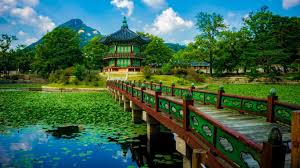
The Republic of Korea, commonly known as South Korea, is a dynamic tourism destination that offers visitors a rich tapestry of history, culture, modernity, and natural beauty. Here are some highlights and essential aspects of tourism in South Korea:
History and Culture
South Korea boasts a history that spans over 5,000 years, with deep-rooted traditions that have evolved alongside modern advancements. Key cultural attractions include:
- Palaces and Historical Sites: Explore majestic palaces like Gyeongbokgung, Changdeokgung, and Deoksugung in Seoul, remnants of the Joseon Dynasty.
- Traditional Villages: Visit Bukchon Hanok Village in Seoul or Hahoe Folk Village in Andong to experience traditional Korean architecture and lifestyle.
- Temples and Shrines: Discover ancient Buddhist temples such as Bulguksa Temple in Gyeongju, a UNESCO World Heritage Site.
Modernity and Innovation
South Korea is renowned for its rapid technological advancements and modern infrastructure, which coexists seamlessly with its traditional culture:
- Skyscrapers and Urban Landmarks: Explore bustling cities like Seoul, Busan, and Incheon, known for their futuristic architecture, shopping districts, and vibrant nightlife.
- Korean Wave (Hallyu): Experience the global phenomenon of K-Pop music, K-Drama television series, and K-Beauty products, which have captivated audiences worldwide.
Natural Beauty and Landscapes
- Mountains and National Parks: Hike in the scenic Seoraksan National Park or explore the volcanic landscapes of Jeju Island, a UNESCO World Heritage site.
- Coastlines and Islands: Relax on the beaches of Busan or discover the picturesque islands of Jeju and Ulleungdo.
Culinary Delights
- Korean Cuisine: Indulge in diverse flavors such as kimchi (fermented vegetables), bibimbap (mixed rice dish), bulgogi (marinated beef), and Korean BBQ.
Unique Experiences
- DMZ (Demilitarized Zone): Take a tour to the border between North and South Korea, offering a poignant glimpse into the divided Korean Peninsula.
- Hanbok Experience: Dress in traditional Korean attire and visit historical sites for a deeper immersion into Korean culture.
Practical Information
- Climate: South Korea experiences four distinct seasons, with cold winters and hot, humid summers. Spring (April to June) and autumn (September to November) are considered the best times to visit.
- Currency: The currency used is the South Korean Won (KRW).
- Transportation: Efficient public transportation systems, including subways, buses, and high-speed trains, make travel within South Korea convenient.
South Korea's tourism industry continues to grow, offering visitors a blend of ancient heritage, modern vibrancy, natural wonders, and unique cultural experiences. Whether you're exploring historic landmarks, indulging in culinary delights, or experiencing the latest trends in entertainment and technology, South Korea promises a memorable journey filled with diversity and discovery.